

Content
So that is dominating the quarter-over-quarter reduction in head count. On the headcount, yes, I think it was more, as we mentioned last quarter, last year in — or excuse me, in Q1, we added — to give you a flavor for it, we added 14,000 workers in Q1. Prior year, we had reduced our net headcount by 27,000. And when it’s part of FBA, it can also help as being more Prime eligible and available to ship in one, two days or whatever the Prime offer happens to be.

There’s still significantly a penalty year over year. Other cost pressures are principally on our cost and employees. If you look at our stock-based comp as a percent of revenue, it’s gone up 150 basis points quarter over quarter as we stepped up from Q1 to Q2. We see that pattern every year, but we don’t see that magnitude, and that’s where a lot of our wage inflation is for, particularly our technical employees. Our growth rates going forward will no longer require this historical explanation.
Newsstand
We expect technology infrastructure spend to grow year over year, primarily to support the rapid growth and innovation we’re seeing with AWS. We continue to improve the customer experience in Q2, including quarter-over-quarter improvements in delivery speed and inventory in-stock levels. We have also moved quickly to adjust our staffing levels and improve the efficiency of our significantly expanded operations network. We have slowed our 2022 and 2023 operations expansion plans to better align with expected customer demand.
- I was hoping you could comment on whether AWS is seeing similar dynamics.
- We’ve invested a lot in tools and capabilities and, of course, the delivery capabilities and all the things that go along with that.
- The company acknowledged inflation-induced cost pressures, especially in the supply chain.
- Microsoft reported its slowest revenue growth in five years this week, while Meta shares dropped precipitously on losses from its investments in augmented and virtual reality technologies.
- Some of your peers in the cloud space have talked about some slowdown in booking rates just as customers take longer to work through deal terms and duration.
The e-commerce giant also reported better than expected guidance for next quarter of $125 billion to $130 billion versus $126.5 billion. The company’s share price rose by as much as 10 percent in after-hours trading with the company projecting net sales of between $125 billion and $130 billion, up double digits from the same quarter a year ago. Among the other top tech companies, Microsoft also reported disappointing results this week. Apple beat on the top and bottom lines, lifting the stock in after-hours trading.
For the twelve months ended June 30, 2021 and 2022, this amount relates to equipment included in “Property and equipment acquired under finance leases, net of remeasurements and modifications” of $9,976 million and $3,579 million. This article is a transcript of this conference call produced for The Motley Fool. While we strive for our Foolish Best, there may be errors, omissions, or inaccuracies in this transcript. As with all our articles, The Motley Fool does not assume any responsibility for your use of this content, and we strongly encourage you to do your own research, including listening to the call yourself and reading the company’s SEC filings.
To see all exchange delays and terms of use please see Barchart’s disclaimer. Using Wall Street Horizon historical data as a primary data source, independent academic studies have shown that market volatility can be anticipated by the scheduling and revisions in corporate events. Wall Street Horizon’s historical event data are the industry’s largest, most detailed, and most accurate listings of this type of event data.
Former Netflix Content Chief Cindy Holland Tapped as CEO of Elisabeth Murdoch’s Company Sister
So we’re happy with the selection that we’ve added from third-party sellers. And I think that shows in the percentage mix that you see. So I’d challenge the premise a little bit there about incenting mix or I believe is how I interpret your question.
Microsoft reported its slowest revenue growth in five years this week, while Meta shares dropped precipitously on losses from its investments in augmented and virtual reality technologies. Apple beat Wall Street’s estimates but wasn’t immune from the downturn, either, with iPhone sales coming in lower than expected. And, Jason, on your second question related to the international and the profitability there reported.
AMZN Estimated and Actual Revenue by Quarter
While there’s still work to be done, we made good progress in Q2. The growth in the line is impacted overall also on the step-up by continued head count. And as Brian talked about, hiring and a number of areas of the business, including engineers, other tech workers and there’s some component of the wage inflation as we look to continue to hire and retain employees there. In terms of the — coming in at the five — a little over $5 billion for stock-based comp, the main driver there was primarily driven by fewer employees stock awards vest — could be fewer employee stock awards we’re vesting in Q2 than we expected.
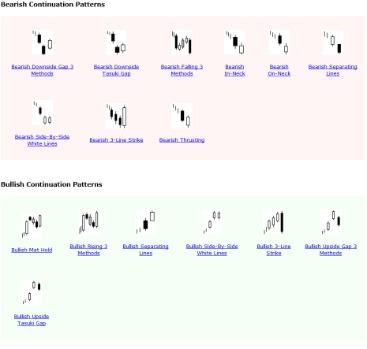
Operating income refers to earnings after expenses excepting the cost of debt, taxes and certain one-off items. Net income shows the profit remaining after all costs are subtracted from revenue generated from sales. And we’re making good progress in Q2 and expect to keep pressing on that in the second half of the year. But https://g-markets.net/helpful-articles/javascript-candlestick-charts-examples/ we saw strength in the seller results in Q2, as we mentioned on the percentage mix. So I think sellers are — sellers business remains strong and an integral part of our customer offering. So on the seller fee, again, we added that fee grudgingly in May to compensate for some of the inflationary pressures we’re seeing.
Amazon’s Q3 2022 Financial Guidance
In short, expectations are on the rise as we await Q2 results. Get this delivered to your inbox, and more info about our products and services. Analysis and opinions expressed herein are specific to the analyst individually and data and other information that might have been provided for validation, not those of Futurum Research as a whole. Overall, company still has plenty to be optimistic about across its operations.
Operating expenses grew 12% year-over-year, from $105.3 billion in Q to $118 billion this year. Operating income decreased 57% to $3.3 billion this year, compared with $7.7 billion in Q2 2021. Percentage changes may not align exactly with dollar figures due to rounding.
Jassy’s first year on the job has been marred by challenges, including an ongoing labor battle, the market downturn, growing regulatory pressure and an exodus of top talent. Clint Wheelock, Chief Research Officer at The Futurum Group, takes a look at the recent announcement by Ridecell of the launch of Ridecell Fleet Transformation Cloud, which leverages digital technologies to optimize fleet management. The Ridecell Fleet Transformation Cloud platform offers fleet operators a comprehensive solution to manage and optimize their operations through advanced analytics, automation, and integration capabilities. Living his life at the intersection of people and technology, Daniel works with the world’s largest technology brands exploring Digital Transformation and how it is influencing the enterprise. Includes commissions and any related fulfillment and shipping fees, and other third-party seller services. Stay on top of the latest developments in the ecommerce industry.
On Wednesday, Facebook-owner Meta Platforms (META) reported its first-ever year-over-year revenue drop and, earlier this week, both Google parent Alphabet (GOOG, GOOGL) and Microsoft (MSFT) reported earnings that didn’t meet Wall Street’s expectations. Although both Microsoft and Google particularly have their bright spots, this round of earnings season has been relatively brutal for the tech sector. But where we’ve been operating, in many of those cases, considerably shorter than the tenure that we’ve had in the U.S. A lot of that, of course, is driving improvements through our key pillars with price selection and convenience and working with vendors on commercial terms.
In 2021, we incurred approximately $60 billion in capital investments. About 40% of that is comprised of technology infrastructure, primarily supporting AWS as well as our worldwide stores business. For revenue, note that our guidance includes an estimated approximately 390 basis points of unfavorable impact from year-over-year change in foreign exchange rates.

